I
The textbook comes first
Every level follows The New Syriac Primer, fourth revised edition. The videos teach the book; they do not replace it.
About Learn Syriac
Learn Syriac exists so that anyone, anywhere, can read Syriac in the original — taught with the rigour of the classroom and the patience of a teacher who has spent a lifetime with the language.
What this is
Learn Syriac is an online platform dedicated to teaching the Syriac language, guided by the expertise of Malphono George A. Kiraz, one of the world's leading instructors in Syriac. Drawing on decades of academic research, teaching and technological contribution to the field, he offers learners the chance to study Classical Syriac with clear explanations, authentic texts and cultural depth.
Whether you are a complete beginner or seeking to deepen your fluency, the courses combine rigorous pedagogy with an accessible approach — bringing the richness of the Syriac heritage to learners around the world.
Guided by scholarship, rooted in tradition.The Learn Syriac method
How we teach
None of them are shortcuts. All of them are why students finish.
Every level follows The New Syriac Primer, fourth revised edition. The videos teach the book; they do not replace it.
Pronunciation is taught from an unbroken chain of oral tradition, not reconstructed from spelling. You hear each letter before you are asked to read it quickly.
The courses are self-paced and access does not expire. Return to Level 1 while sitting Level 2 — the door stays open.
The lessons are recorded so you can study on your schedule, but the teaching behind them is a person's, not a playlist's.
The books behind the course
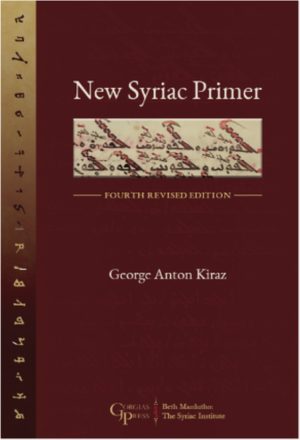
The curriculum is not written for the web. It follows The New Syriac Primer, now in its fourth revised edition and among the most widely used introductions to the language — the book that has taught a generation of students their first Syriac letters.
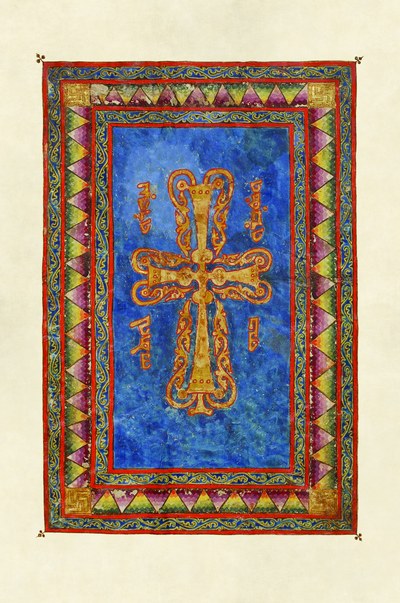
Behind it stand two institutions the Malphono founded: Beth Mardutho: The Syriac Institute, and Gorgias Press, the publisher of much of the reference literature the field now depends on — including the Antioch Bible, the Syriac-English New Testament whose typeface sets every Syriac character you see on this site.
Three hands
You will learn all of them — and how to read them in manuscript hand.
The oldest
The script of the earliest surviving manuscripts — angular, upright, unjoined. Introduced in the advanced courses.
7th–8th century · West Syriac
The classic West Syriac hand, and where you begin: the script used in most Western grammars and dictionaries.
East Syriac
The eastern hand, which keeps its vowels as points rather than letters. Introduced in the advanced courses.
Our Malphono
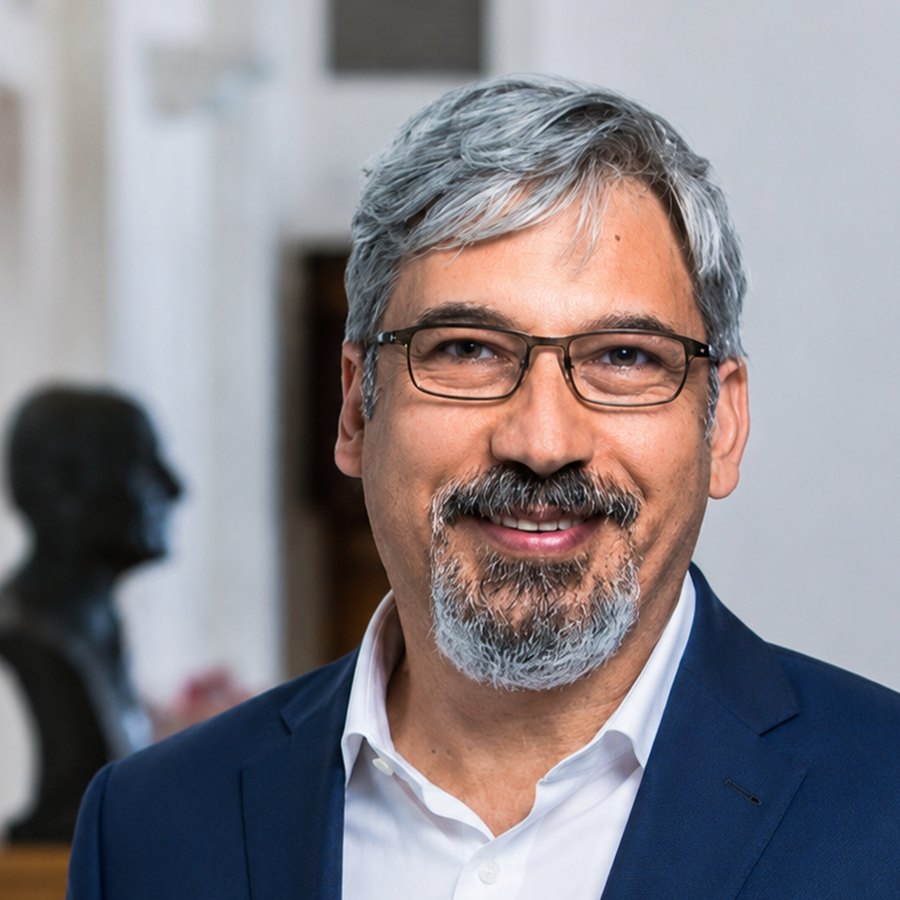
Director, Beth Mardutho: The Syriac Institute
George A. Kiraz taught Syriac language and literature at Princeton University, the University of Cambridge (UK), Beth Mardutho, the University of Tennessee Knoxville, Rutgers University, and the POLIS Institute in Jerusalem, guiding students from first encounters with the alphabet through advanced readings in classical and liturgical texts.
His teaching is grounded in a lifetime of immersion in the language — from learning Syriac as a boy at the Monastery of Saint Mark in Jerusalem, to earning advanced degrees in Syriac Studies from Oxford and in Computational Linguistics from Cambridge. As author of New Syriac Primer, one of the most widely used introductory textbooks in the field, George has helped shape how a generation of students first learns Syriac, combining rigorous grammar instruction with deep familiarity with the language's literary, liturgical, and manuscript traditions.
“I completed Syriac I last summer and decided to return for Syriac II since I am currently doing fieldwork on the Syriac Orthodox church. It has been quite challenging, but it has been very rewarding to be able to read Ephrem and Aphrahat after only five weeks.” Anna Hager, PhD · Postdoctoral Researcher, Radboud University
If you have never seen a Syriac letter, begin at Level 1. If you have studied before, the placement check will tell you where to start in three questions.